
Indian Wood Carving Traditions and Regional Craft Styles
A look at India’s traditional wood carving heritage, regional techniques, cultural influences, and the skilled craftsmanship behind carved furniture, panels, temples, houses, boxes, dolls and decorative wooden objects.
Wood carving is one of the oldest forms of craftsmanship practiced by humans. Across cultures, carved wood has been used to create furniture, decorative panels, architectural details, religious objects, household items and artistic pieces.
Wood carvings can vary from traditional floral designs to abstract, geometric or symbolic patterns. The style often depends on the region, the culture, the type of wood available and the purpose of the object being made.
Several methods of carving are used in traditional woodworking, including chip carving, relief carving, lattice carving and deep carving. Each method requires patience, precision and a strong understanding of both the material and the design.
Introduction to Wood Carving
Wood carving is the art of creating decorative or functional designs in wood by hand, using cutting tools. Traditional woodcarvers use tools such as carving knives, gouges, V-tools, veiners, chisels, coping saws and mallets to shape the wood.
One common method is chip carving, where small pieces of wood are removed to create patterns. This technique is often used for geometric designs, decorative panels, boxes, bowls, furniture and household objects. Although the basic process may seem simple, mastering chip carving requires practice, patience and control.
Another important technique is relief carving, which has been used since ancient times. In relief carving, figures, objects or patterns are carved into a flat piece of wood. The background is gradually removed so that the carved design appears to rise from the surface of the wood.
In India, wood carving has long been an important traditional craft. It has been passed down from generation to generation by skilled craftsmen, with each region developing its own style, motifs and techniques. Indian craftsmen are known for many types of carved wooden products, including furniture, decorative panels, spoons, wooden screens, beads, frames, boxes, architectural elements and religious objects.
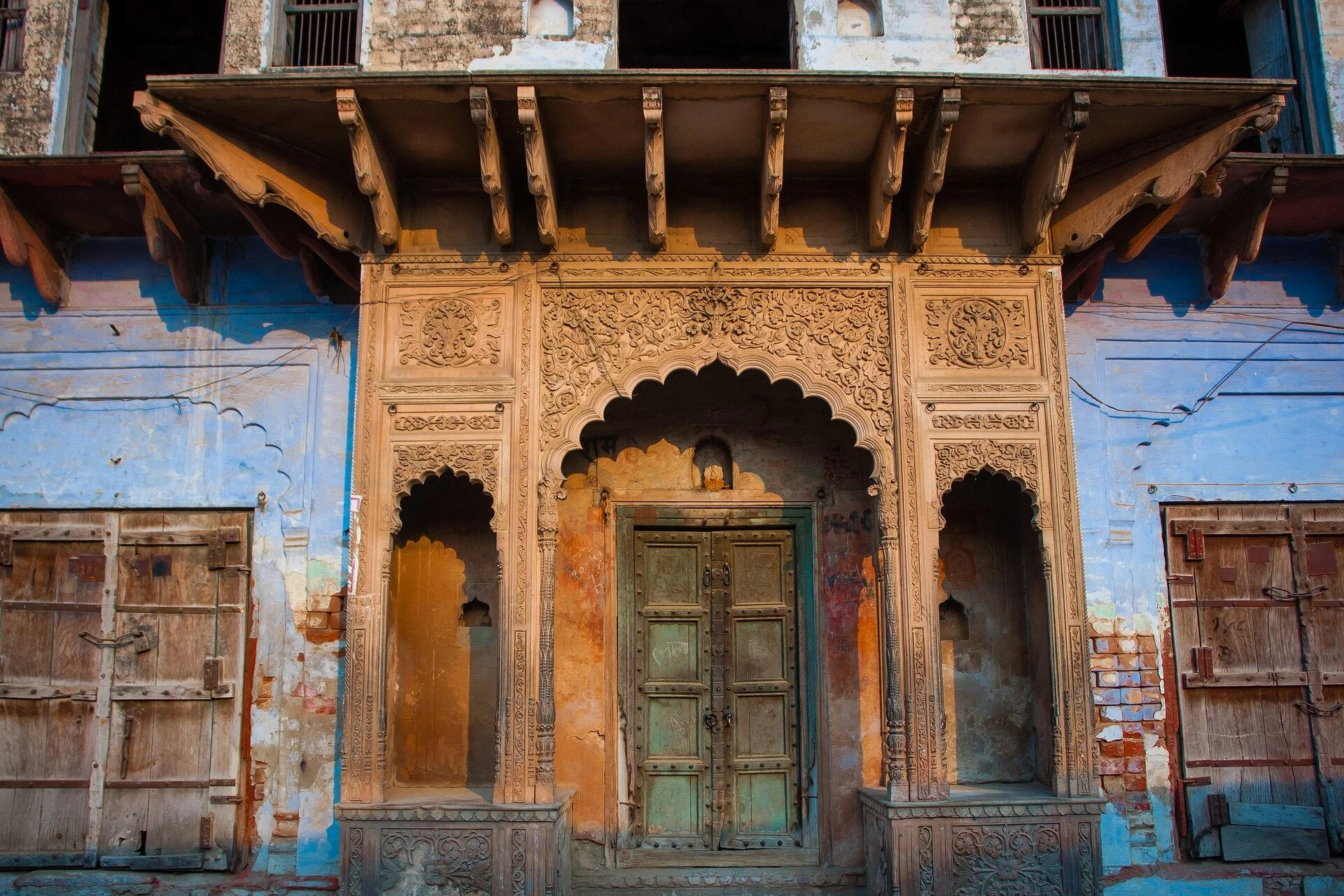
Traditional Indian haveli-style house with intricate carved wooden details, reflecting the richness of regional Indian craftsmanship. Exact date, location, maker and provenance not confirmed.
Wood Carving in Different Regions of India
Wood carving is practiced in many parts of India, with each region having its own materials, designs and cultural influences. Below are some of the regions known for their traditional wood carving and woodworking heritage.
Karnataka
Karnataka is especially known for sandalwood carving. Sandalwood is highly valued for its fine texture, natural fragrance and ability to hold detailed carving.
In this region, craftsmen have traditionally carved sandalwood idols, boxes and decorative objects. Sandalwood boxes are among the specialties of Karnataka and are often decorated with mythological scenes, floral motifs or detailed ornamental patterns.
Mysore, Sagar and Kumta are among the places associated with this traditional craft. The natural scent of sandalwood gives these carved objects a unique identity and makes them highly appreciated as both decorative and cultural items.
Kashmir
Kashmir has a strong tradition of wood carving, especially using walnut wood. Walnut is a durable and fine-grained wood, making it suitable for detailed carving and elegant decorative work.
Kashmiri wood carving is often used for furniture, bowls, boxes, panels, ceilings and architectural details. Traditional designs may include floral patterns, lattice work, geometric motifs and carved panels used for pillars, ceilings and interior decoration.
The region is particularly known for its walnut wood craftsmanship, where skilled carvers create refined decorative pieces that reflect Kashmir’s artistic heritage.
Kerala
Kerala has one of the richest traditions of architectural wood carving in India. Wood has long played an important role in traditional Kerala houses, temples and palaces.
Carved beams, pillars, doors, ceilings and brackets can be found in many traditional buildings. Craftsmen in Kerala work with woods such as sandalwood, rosewood, teak and other local timber species.
Kerala wood carving is often both decorative and structural. It reflects the region’s climate, architecture and long tradition of timber craftsmanship.
Assam
Assam is rich in forests and has a strong cultural tradition connected to woodwork. Traditional carving in Assam can be seen in religious places, household objects and decorative architectural elements.
Wooden carvings in Assam often include mythical creatures and religious figures such as Garuda, Hanuman, lions and other symbolic forms. These carvings are commonly connected to worship centers, traditional seats, panels and cultural objects.
The woodwork of Assam reflects both the region’s natural resources and its religious and artistic heritage.
Tamil Nadu
Tamil Nadu has a well-developed tradition of wood carving, especially in temples, houses and religious objects. Wood has been used to decorate temple structures, wooden chariots, pillars, doors and domestic interiors.
The region is also known for traditional wooden toys and dolls, including Tanjore dolls and Punki wood dolls. These objects show how wood carving in Tamil Nadu is connected not only to architecture, but also to folk art, ritual and daily life.
Tamil Nadu’s wood carving tradition reflects a strong connection between craftsmanship, religion and cultural storytelling.
Sankheda, Gujarat
Sankheda, located in Gujarat, is one of India’s important traditional woodworking centers. The town is especially known for its lacquered wooden furniture.
Sankheda furniture is usually made from turned wood and decorated with colorful lacquer work. While it is different from deep architectural carving, it remains an important part of India’s wooden craft heritage.
Traditional Sankheda pieces may include chairs, tables, swings, cupboards and decorative furniture. The craft is recognized for its bright finish, elegant shapes and ornamental details.
Closing words
Wood carving in India is not limited to one style or one region. Each part of the country has developed its own approach based on local wood species, cultural traditions, religious influences and architectural needs.
From sandalwood carving in Karnataka to walnut woodwork in Kashmir, carved architecture in Kerala, religious woodwork in Assam and Tamil Nadu, and lacquered furniture in Sankheda, Indian wood carving reflects a rich and diverse craft heritage.
These traditions show how wood can be transformed from a natural material into objects of beauty, function and cultural meaning.
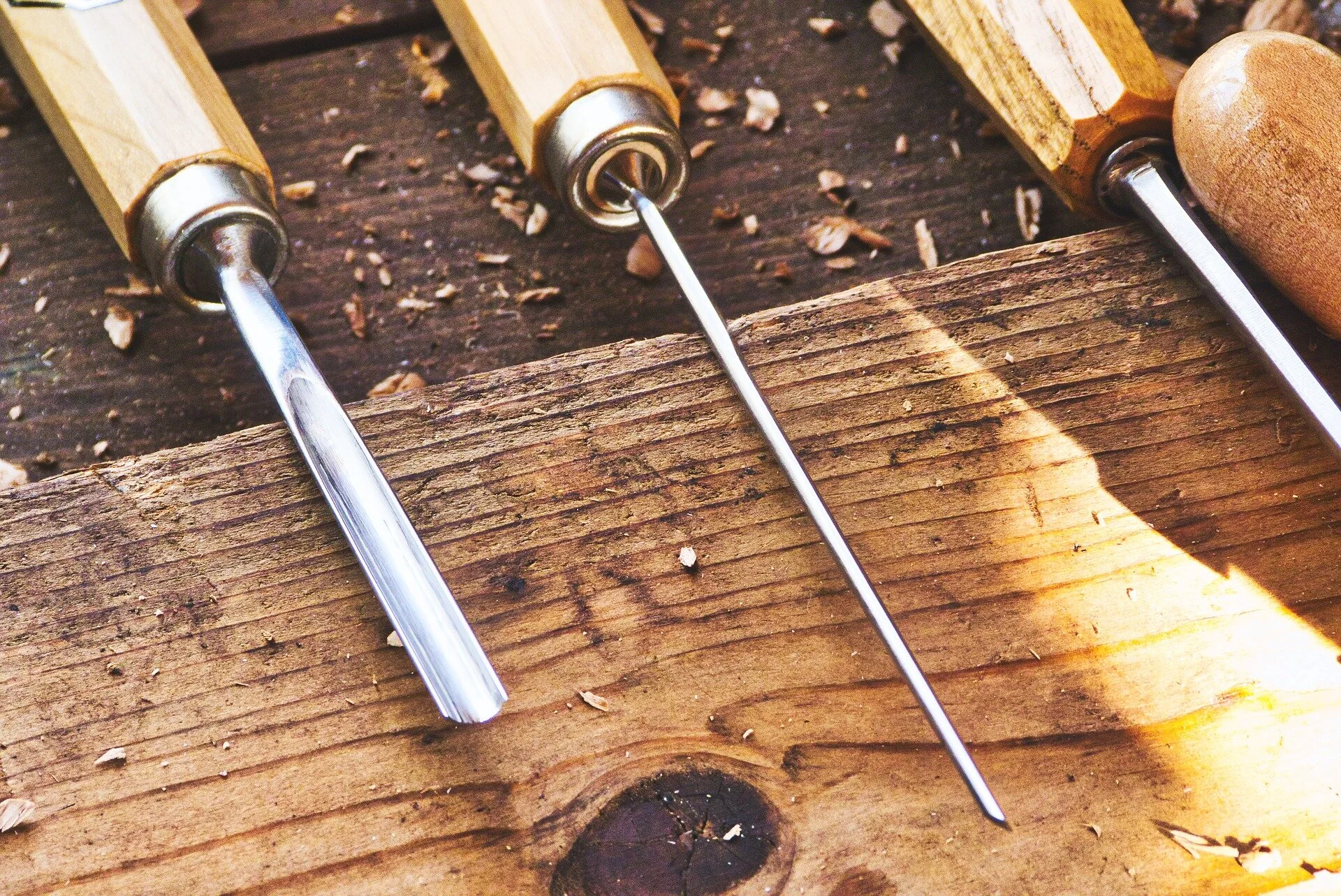
Carving tools