Walk through areas like Canggu, Uluwatu, or even parts of Ubud, and one thing becomes immediately clear: Bali is building faster than ever. Everywhere, new villas rise from former rice fields and coconut groves. Many of them are marketed under a familiar label — eco villa, sustainable retreat, conscious living space.
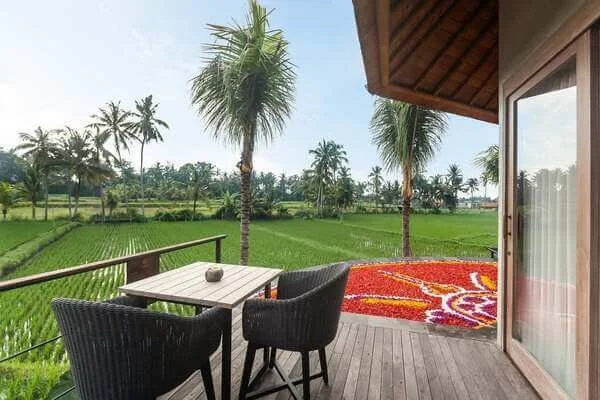
The intention sounds right. The architecture looks beautiful. The messaging feels aligned with the island’s identity.
But behind the aesthetics, there’s a question few are asking: What makes a villa truly sustainable?
The Material Blind Spot
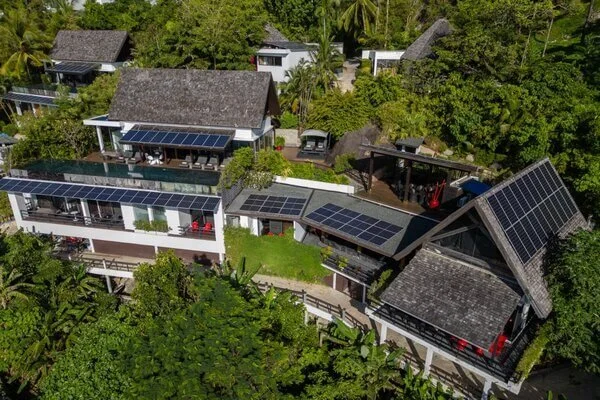
In many cases, sustainability in Bali’s construction scene focuses on:
solar panels
natural ventilation
wastewater systems
landscaping
All important steps. But they often overlook the largest environmental cost of all — materials.
Concrete, steel, and newly harvested timber carry a heavy footprint:
carbon-intensive production
resource extraction
ecosystem disruption
Even certified timber — regulated under systems like the Sistem Verifikasi Legalitas Kayu (SVLK) — only guarantees legality, not long-term environmental impact.
A villa can operate sustainably…
while being built from materials that weren’t.
The Illusion of “Eco”
“Sustainable” has become part of Bali’s design language.
It sells a lifestyle:
open spaces
natural textures
connection to nature
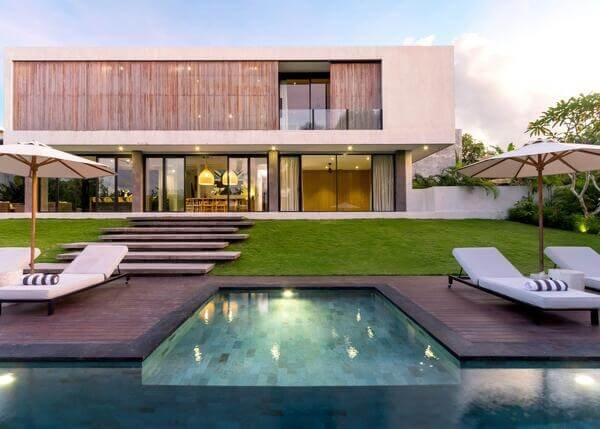
But sustainability is no longer just about how a space feels.
It’s about how it was made.
A villa cannot be defined as eco-conscious if its construction relies on:
newly extracted hardwood
high-emission materials
short lifecycle design decisions
Because sustainability doesn’t start when the doors open.
It starts long before the first guest arrives.
Building in Bali Comes With Responsibility
Bali is not just a destination.
It is an ecosystem — cultural, environmental, and social.
Every new structure adds pressure:
on land
on resources
on identity
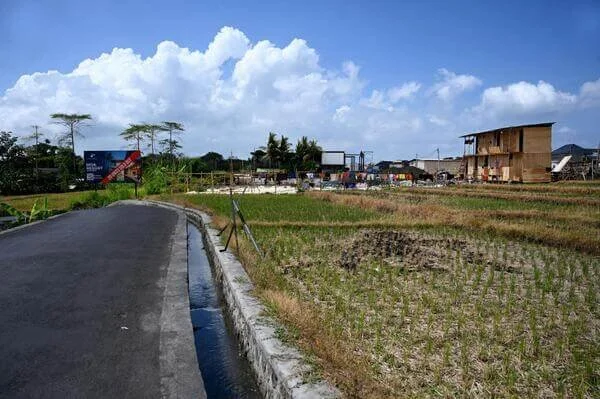
This doesn’t mean development should stop.
But it does mean the standards should evolve.
The next phase of building in Bali is not about doing more.
It’s about doing better, with responsible materials like reclaimed wood
A Different Approach: Building With What Already Exists
There is another way to build.
Not by extracting more —
but by rethinking what is already available.
Reclaimed wood offers a fundamentally different approach:
no new trees cut
reduced environmental impact
materials with proven durability
In regions like Kalimantan, hardwood structures built decades ago are now being dismantled. The wood remains incredibly strong — often more stable than newly harvested timber.
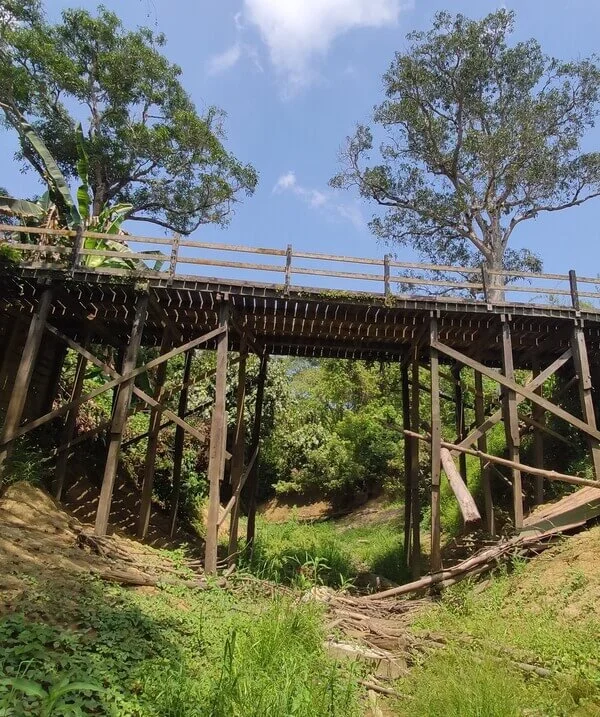
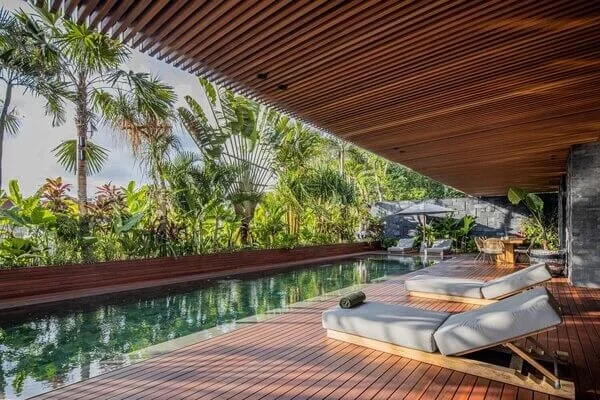
Instead of being discarded, it can be repurposed into:
decking
flooring
structural elements
This is not a trend.
It is a return to common sense.
Beyond Sustainability: A Question of Integrity
At its core, the conversation is not about labels.
It is about alignment.
If a project claims to respect nature,
its materials should reflect that commitment.
Because in the end, sustainability is not what you say.
It’s what you build with.
Bali doesn’t need fewer ideas.
It needs clearer ones.
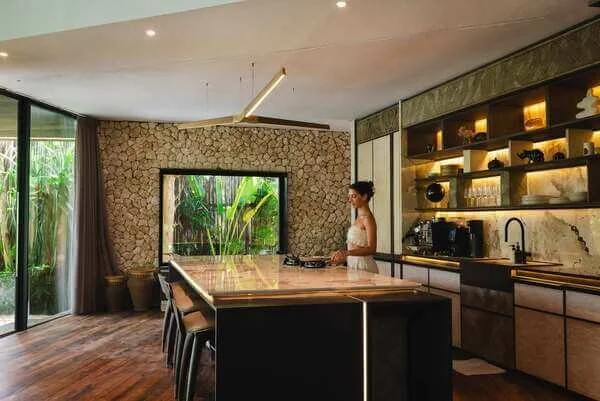
The future of building here will not be defined by trends or terminology, but by decisions — especially the ones that are not immediately visible.
Choosing materials is one of them.
And it may be the most important one.