
This month, a series of deadly flash floods swept across Sumatra, taking lives and destroying homes. While extreme rain was the trigger, experts agree the true force behind the devastation came from something far more human: decades of large-scale deforestation.
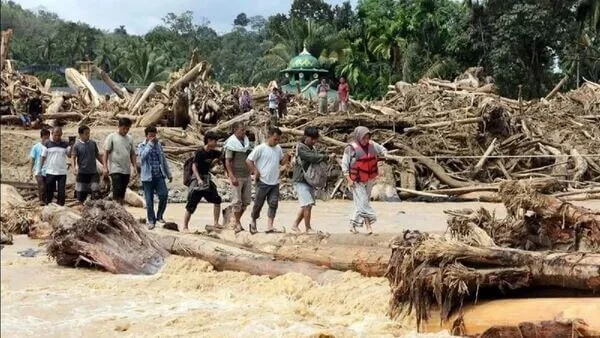
Experts explained that Sumatra’s watershed conditions have deteriorated after years of logging, land clearing, and mining. With the forests gone, soil simply can’t absorb water the way it used to. Even short bursts of heavy rainfall now lead to violent river overflows.
And the consequences were visible everywhere.
Forests Lost, Debris Unleashed
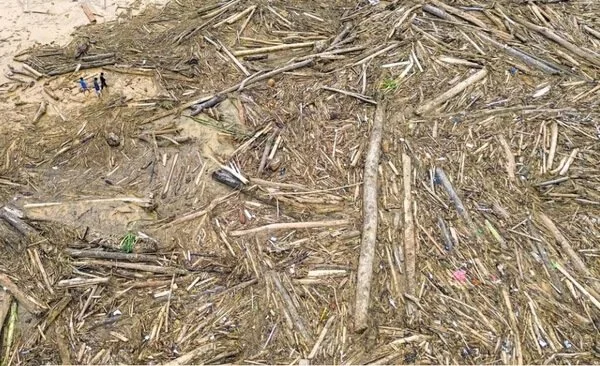
In the recent Sumatra floods, the water wasn’t the only threat. What made the disaster so deadly was the massive amount of forest debris—logs, branches, uprooted trees, and soil—that rushed downstream after heavy rains hit slopes stripped bare by years of deforestation.
Entire hillsides collapsed in some regions, sending waves of mud and timber crashing into villages. Homes didn’t just flood — many were crushed under the force of logs carried by the current. Bridges snapped, roads vanished, and rescue teams struggled to move through piles of debris that settled like barricades across entire neighborhoods.
Environmental experts pointed out that this pattern is not something we typically see in floods across Thailand, Vietnam, or the Philippines, where healthier watersheds still act as natural buffers. In Sumatra, degraded forest areas became channels of destruction. Once the deep-rooted trees were gone, the soil could no longer hold together under extreme rainfall.
What should have been heavy but manageable flooding instead became a violent surge of water, earth, and timber — turning a natural event into a human-amplified catastrophe, the cause of which is denied by the Indonesian government.
The message is painfully clear:
When forests disappear, the disaster that follows is not just wetter — it’s harder, heavier, and far more deadly.
A Warning for Kalimantan
The situation in Sumatra is a stark reminder of what can happen anywhere when forests are stripped away—including Kalimantan, the home of our reclaimed ironwood.
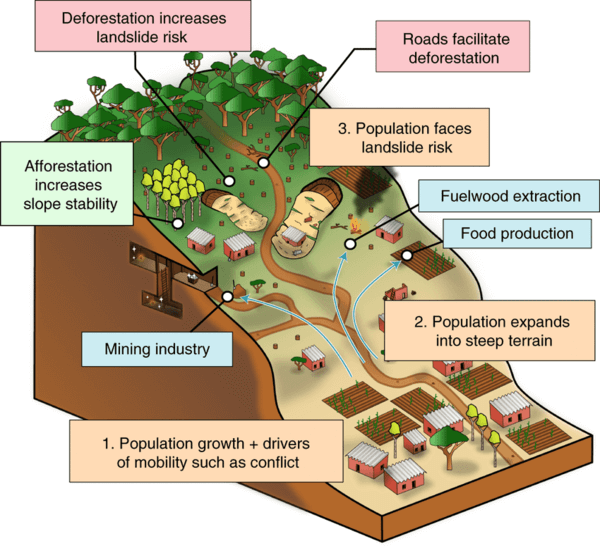
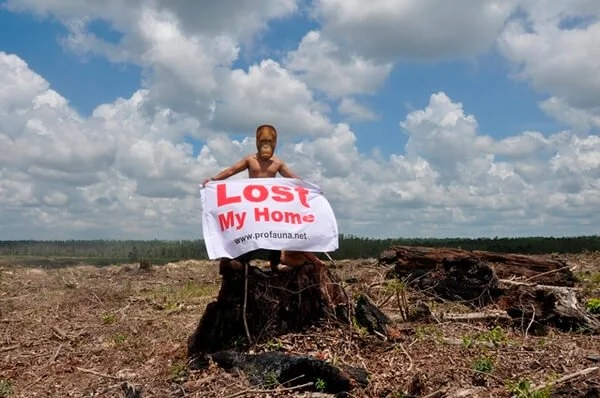
Kalimantan has also endured years of deforestation, driven by logging (legal and illegal), mining, plantations, and rapid land-use changes. In many regions, hillsides once held firmly by deep-rooted trees are now fragile, exposed soils, leading to heavy flooding.
And just like in Sumatra, the consequences are already visible:
Heavy rain events now trigger more frequent landslides
Floods carry mud and debris, overwhelming rivers that have lost their natural buffers
Communities living along waterways face increasing risk every year
This is not a distant scenario — it happened in Kalimantan before, it’s happening now in Sumatra.
Kaltimber’s Approach: Reforesting Where It Matters
At Kaltimber, we’ve always believed that wood should only be given a second life — never taken from living forests. All our Ulin is 100% reclaimed from structures that were truly destined for demolition.
But choosing reclaimed wood is only part of the solution.
To help restore Kalimantan’s damaged ecosystems, we partner with Replant World to plant ironwood seedlings — a species deeply rooted in Kalimantan’s natural heritage and critically threatened by overharvesting.
As of September: 85 seedlings planted
November–December: 400 more planned
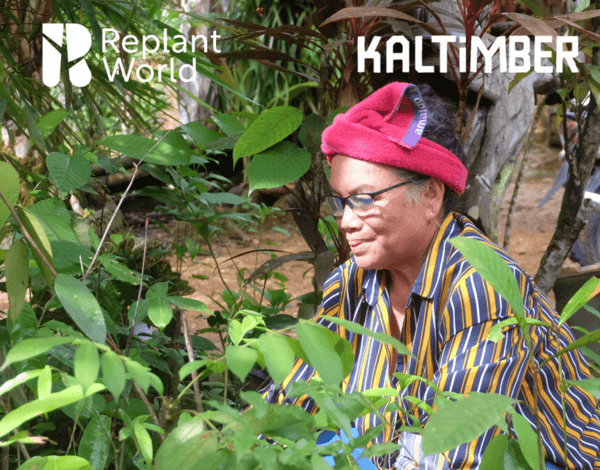
Each seedling strengthens the soil, anchors slopes, and slowly rebuilds the kind of resilient forest systems that prevent the tragedies we’re now seeing in Sumatra.
The Path Forward
Deforestation doesn’t just remove trees — it removes protection.
What Sumatra faced is a warning for all of us. But it also reinforces why responsible choices matter:
choosing reclaimed wood
supporting reforestation
restoring watersheds
valuing forests as life-support systems, not raw materials
Kalimantan still has a chance to recover.
And together with our partners and community, we’re committed to being part of that restoration.